About Blue Farm Directory
Blue Farm Directory is an independent national directory for finding Blue Farms, Blue Dot farmers, ranchers, and other independent producers selling directly to consumers across the United States.Search by location, what farms sell, farming practices, and ways to buy directly. The directory is free to search and free for farmers to join.
Why Blue Farm Directory exists
Blue Farm Directory was built to make it easier for people to support independent farms directly. When consumers can find farmers, understand what they sell, and buy from them without unnecessary middlemen, more of that money stays closer to the people producing the food.
Why supporting independent farms matters right now
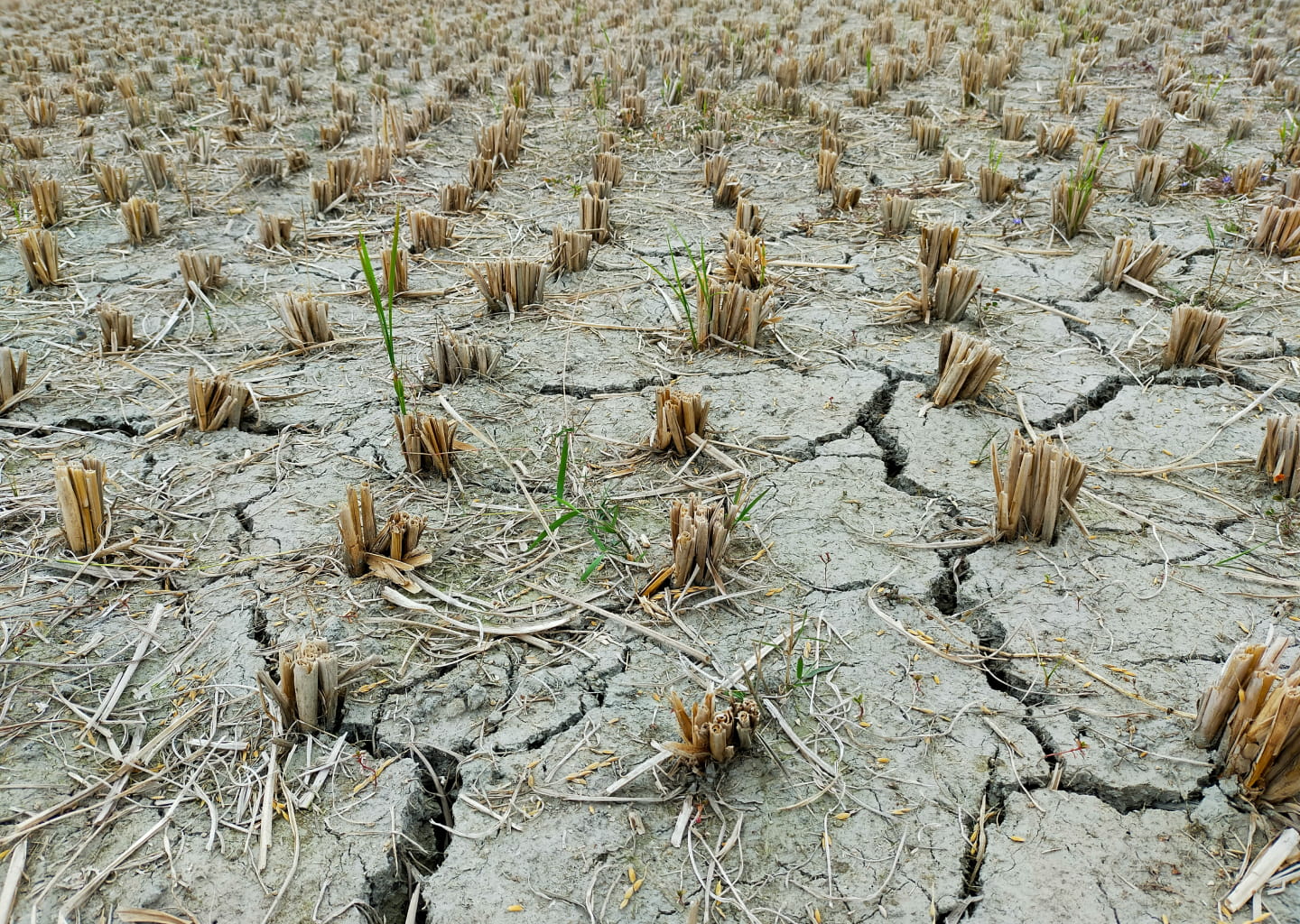
Independent farmers are operating under growing financial and environmental pressure. Bankruptcies, drought, rising input costs, trade disruptions, and changes to federal support programs are making it harder for many farms to stay in business.
- Years of drought. 61% of the continental US was in drought as of May 2026. (US Drought Monitor)
- Tariffs closed the export market. Economists project $44 billion in lost net cash income on 2025 and 2026 crops. China, long the largest buyer of American soybeans, stopped purchasing. (NDSU)
- $1 billion in local food funding canceled. In March 2025, USDA ended the programs that bought produce from small farms for schools and food banks. Crops were already in the ground. (Civil Eats)
- Fertilizer spiked 36%. After the Strait of Hormuz closed in February 2026, nitrogen prices jumped, adding $27 per acre for a corn farmer. (farmdoc, University of Illinois)
- Then the beef quota. Drought had forced ranchers to sell off breeding stock, dropping the national herd to 86.2 million head, the lowest since 1951. High prices were finally letting them rebuild. On February 9, 2026, the administration quadrupled the Argentine beef import quota to 80,000 metric tons. (NPR, Farm Policy News)
"Instead of imports that sideline American ranchers, we should be focused on solutions that cut red tape, lower production costs, and support growing our cattle herd."
Senator Deb Fischer, Republican of Nebraska
The result: 315 farms filed for bankruptcy in 2025, up 46% and the highest since 2020. (US Courts)
Why "Blue Farm," and why every farm is welcome
Blue Farm Directory grew out of demand from consumers who wanted an easier way to find farmers who publicly shared Democratic, progressive, or similar values. On this directory, farms identify themselves as Blue. Blue Farm Directory does not assign political identities to farms.
But Blue Farm Directory is not limited to Blue Farms.
Independent farms that do not choose the Blue Farm label can still be listed. That is intentional. Many farmers are facing the same pressures regardless of politics, and the directory is ultimately about helping people find independent farms, buy directly from them, and keep more money in local and regional food systems.For shoppers who care about the Blue Farm designation, it is available as one filter among several. You can also search by products, farming practices, ownership, certifications, and ways to buy.
Buy from Blue Farms if that matters to you. Search beyond the label if you want more options. The choice belongs to the shopper, and the label belongs to the farm.
*Blue Farm status is self-identified. If a farm does not select the Blue Farm label, Blue Farm Directory does not infer or assign a political identity to it.
Who runs this and how it's funded
The Bigger Picture
Blue Farm Directory is a project of Lit Marketing, founded by Krista Woolhiser and operated as a mission-driven project.
The directory is free for farmers to join and free for consumers to search. Donations help cover the map, forms, email tools, and other operating costs required to keep the directory online and growing.There are no listing fees, paid rankings, or paid placement for farms.